
Chinese Ou Embroidery
Ou embroidery, also known as painted curtain, is a national intangible cultural heritage and a local traditional art of Wenzhou, Zhejiang.

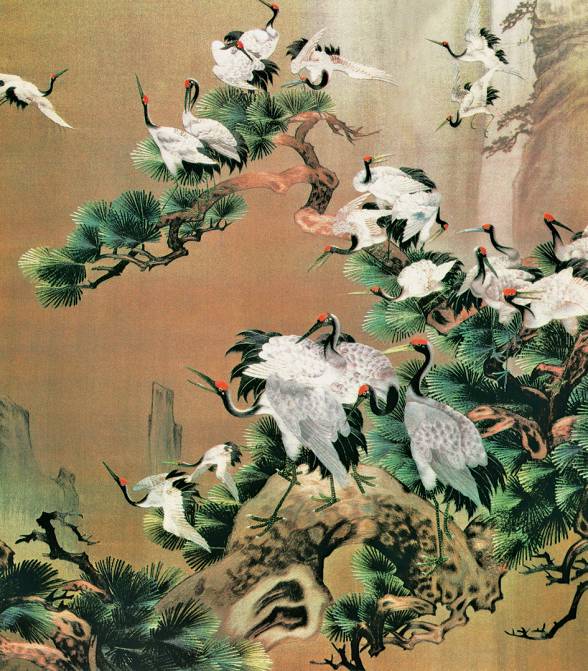
“WENZHOU EMBROIDERY”
Ou embroidery, also known as painted curtain, is a national intangible cultural heritage and a local traditional art of Wenzhou, Zhejiang. It is produced in the Oujiang River area and is one of Zhejiang’s “three carvings and one embroidery” special handicrafts. It is developed from traditional Chinese embroidery. It is as famous as the four famous Chinese embroidery. Ou embroidery is one of China’s famous exported embroidery. It is not only treasured by the country but also given as a state gift. It is listed in the Cihai and Etymology.
Ou embroidery originated from the needlework practices of ancient folk women in their embroidery rooms, Wenzhou girls would have their embroidery lessons taught by their mothers at the age of twelve or thirteen. Analyzing its stitches reveals it evolved from the “brocade embroidery” of the Tang Dynasty. As a traditional craft art of Wenzhou City, it ranks among China's “Six Famous Embroideries” and is recognized as a national intangible cultural heritage.
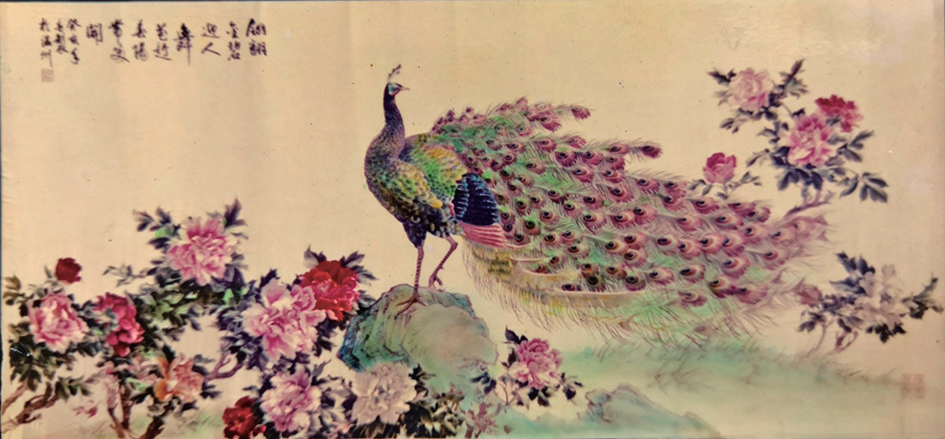
The defining characteristic of Ou embroidery is its integration of embroidery and painting. It emphasizes concise composition, vibrant colors, meticulous stitching techniques, flexible and adaptable needlework, even and uniform thread placement, and a lustrous, visually pleasing surface, showcasing the distinctive cultural characteristics of southern Zhejiang. Works combine poetry, calligraphy, painting, and embroidery. Its needlework techniques integrate brushwork principles and the laws of form. Fourteen primary traditional stitches include: flat stitch, side stitch, applied stitch, rolled stitch, broken stitch, sparse stitch, radiating stitch, diagonal partition stitch, diagonal bite stitch, layered bite stitch, bead stitch, random stitch, floral weave stitch, and raised floral stitch.
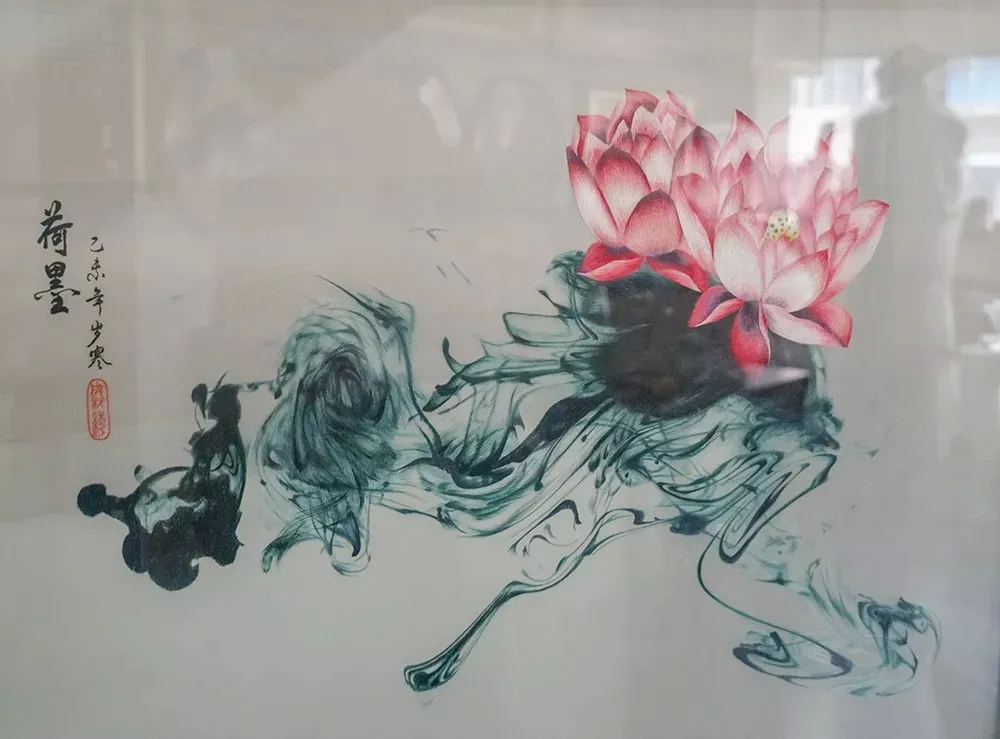
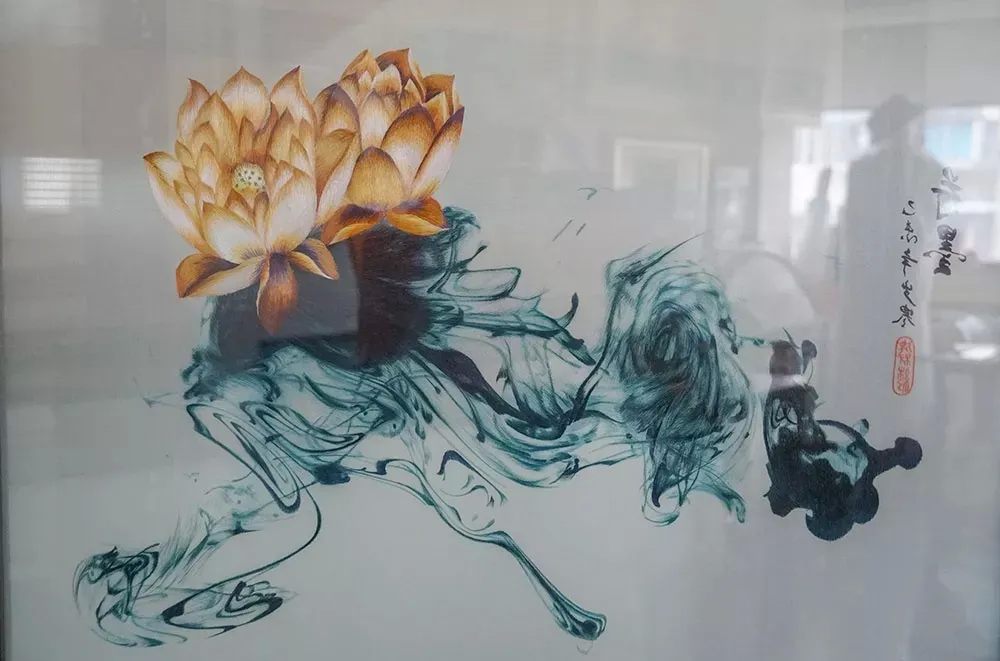
In practical application, these techniques branch into dozens of variations. Thread handling typically involves splitting silk strands in half for most work, while premium pieces may divide a single strand into dozens of filaments. Emphasis is placed on meticulous stitching precision, adhering to the five principles: dense, even, level, smooth, and skillful. Ou embroidery employs techniques such as multicolored embroidery, monochrome embroidery, decorative embroidery, antique-style embroidery, lifelike embroidery, double-sided embroidery, and hair embroidery. Crafted from pure silk satin and colorfast silk embroidery thread, it utilizes entirely natural materials.
With profound decorative and local style.
